Pump up summer savings with major rebates on home cooling & heating
Get thousands in heat pump rebates and trusted installation support. From Silicon Valley Clean Energy (SVCE), your local not-for-profit electricity provider.
Income-qualified customers may receive 100% NO-COST upgrades.
CHECK ELIGIBILITY NOW >>
Pump up summer savings with major rebates on home cooling & heating
Get thousands in heat pump rebates and trusted installation support. From Silicon Valley Clean Energy (SVCE), your local not-for-profit electricity provider.
Income-qualified customers may receive 100% NO-COST upgrades.
CHECK ELIGIBILITY NOW >>
Heat pump rebates available now
Combine incentives from multiple sources – save thousands in 2026
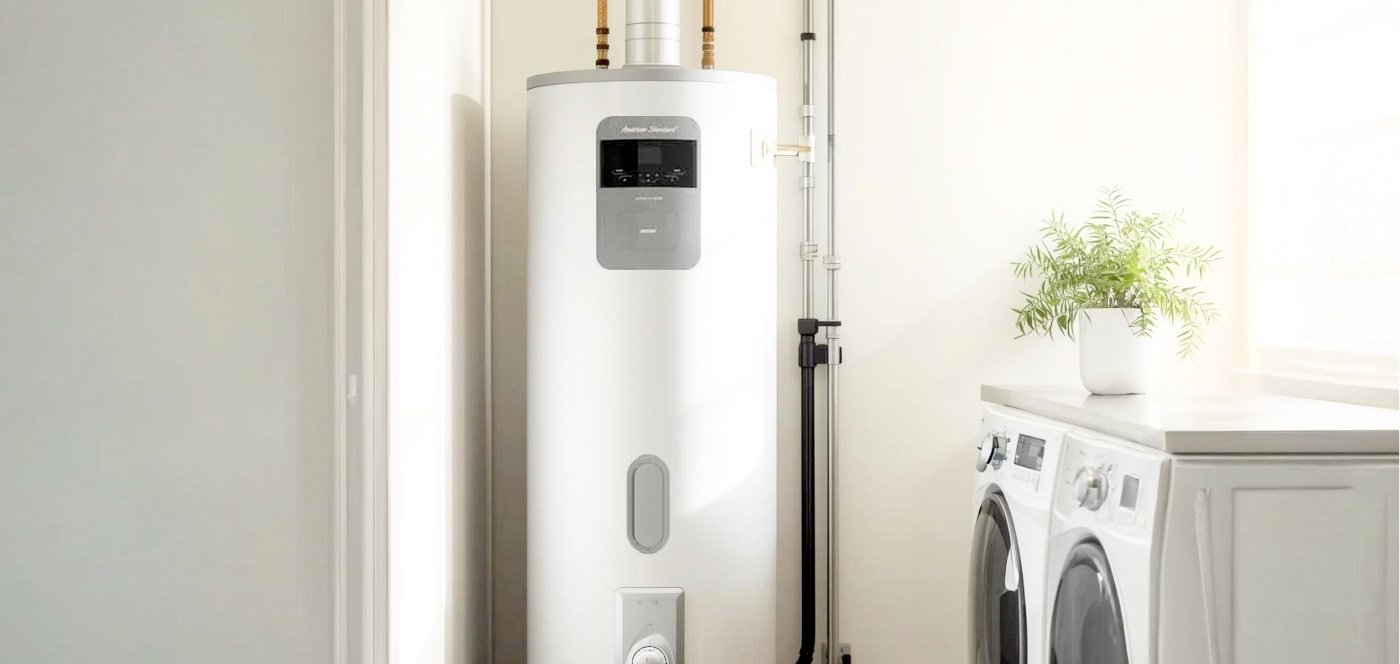
Heat Pump Water Heater (HPWH)
Total rebates available
up to $6,200
SVCE HPWH rebates
| Replacing gas heater | $2,500 |
| Replacing electric resistance | $1,000 |
| Income-qualified adder | $1,000 |
City and State HPWH rebates
| California Golden State | $700 |
| Los Altos | $1,000 |
| Milpitas | $850 |
| Mountain View | up to $2,000 |
Heat Pump HVAC (HPHVAC)
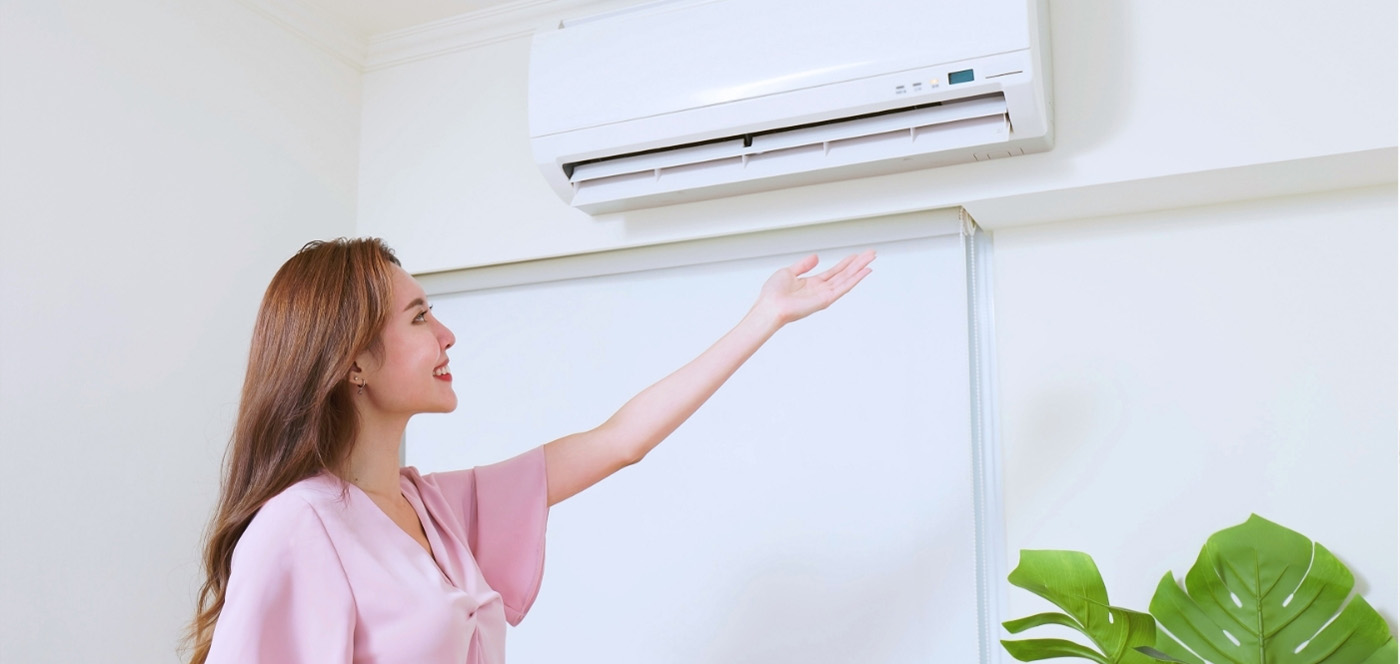
Total rebates available
up to $5,500
SVCE HVAC rebates
| Replacing gas furnace | $2,000 |
| Replacing electric resistance | $500 |
| Income-qualified adder | $1,000 |
City and State HVAC rebates
| Los Altos | $1,000 |
| Milpitas | $2,500 |
| Sunnyvale | up to $1,500 |
Additional SVCE rebates
Electrical Panel Rebate
up to $2,000
Circuit Devices Rebate
up to $3,000
Get rebates and trusted installation support from SVCE
Estimated project cost
Heat Pump Water Heater (HPWH)
Cost before rebates
$6,300–$7,300
(65-gallon, with 240V circuit and permits)
Cost after rebates
$0 – $4,300 info
Or $0 if income-qualified
Compare with $4,300 for gas equivalent
$6,000-$7,600
Average lifetime (15-year) energy savings compared to gas equivalent
Heat Pump HVAC (HPHVAC)
Cost before rebates
$17,500–$18,500
(3-ton ducted, with 240V circuit and permits)
Cost after rebates
$11,250–$16,000 info
Or $0 if income-qualified
Compare with $17,600 for gas equivalent
Average lifetime (15-year) energy savings compared to gas equivalent
Get rebate and installation support

Self-service rebates
Reserve your rebate, choose your own contractor or DIY, then claim your reimbursement.
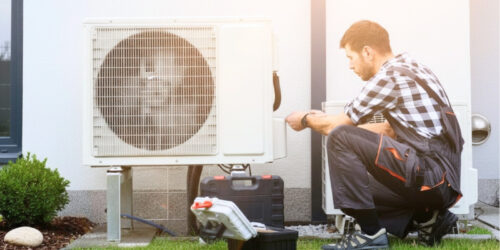
Full-service installation + rebates
Our pre-vetted contractors help take care of everything: assessment, installation, permits, and rebates. Income-qualified? Get 100% no-cost service and appliances.
Pro Tip:
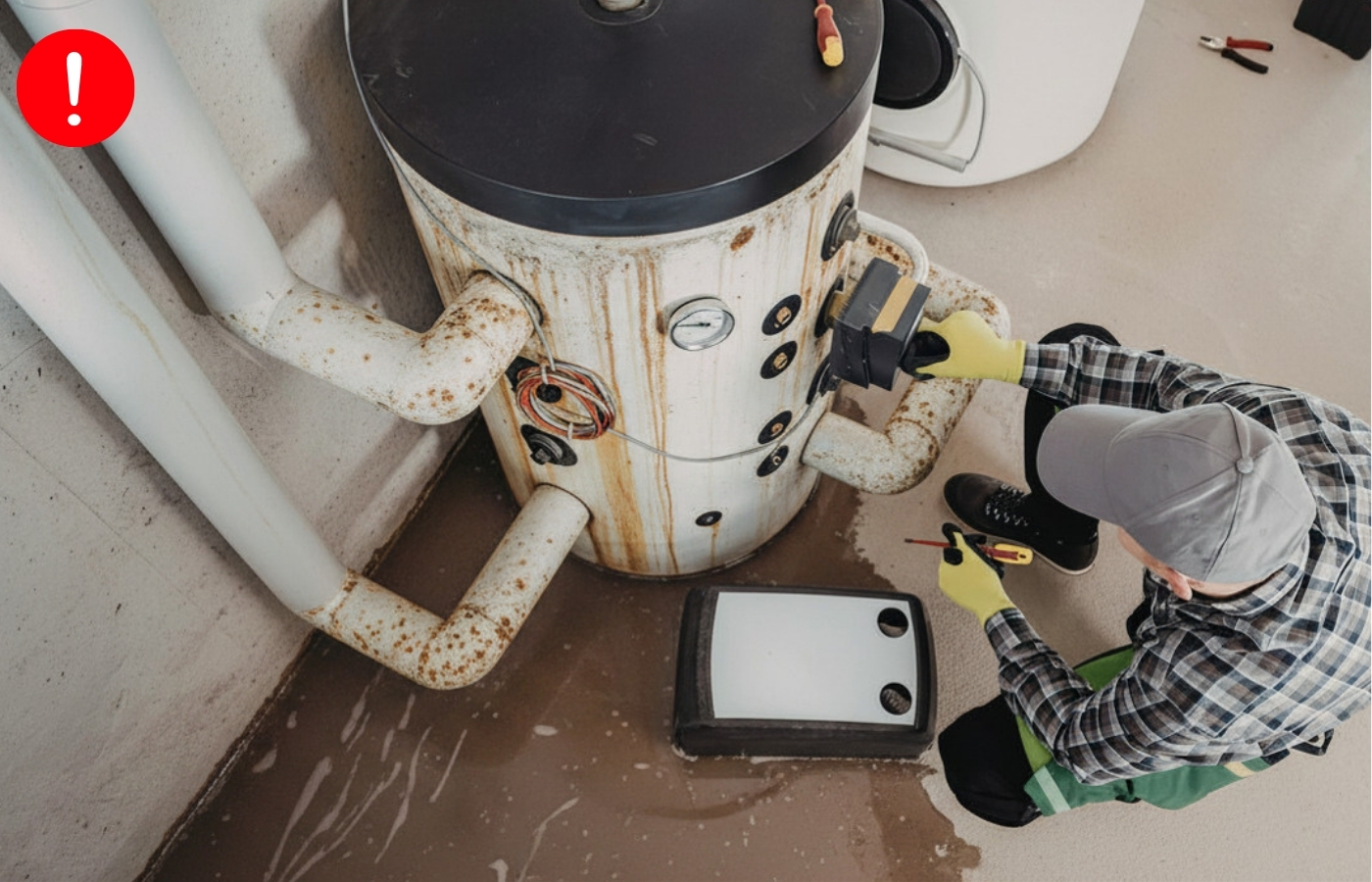
Don’t wait for failure
It’s cheaper and less stressful to replace your equipment before it breaks. If your gas water heater is 8-12 years old and gas furnace 15-20 years old, now is the time to upgrade – and while rebates are still available.
Why heat pumps are worth getting off the gas

Cleaner air
Lower energy bills
Year-round comfort
Thousands of rebates already claimed





Learn More About Heat Pumps
Frequently Asked Questions
Does installing a heat pump water heater require upgrading my electrical panel?
No, the vast majority of homes can fully electrify on a 100-amp panel, including older homes and those that don’t currently have air conditioning.
Peninsula Clean Energy, another community electricity provider similar to SVCE, studied over 100,000 single-family homes and found that 99% never use more than 100 amps throughout the year. Over 80% never use more than 40 amps.
SVCE studied over 115,000 single-family homes and found that 90% could add two new heat pumps to 100-amp panels without requiring a panel or service upgrade, even in older homes that didn’t previously have air conditioning. View the best practices for avoiding panel upgrades fact sheet.
Will adding more electric equipment to my home increase my energy bill?
Modern heat pump heating and cooling (HVAC) systems are more efficient than traditional air conditioning units with gas furnaces and are less expensive to operate, resulting in average monthly bill savings of $25-$50, according to recent studies. Similarly, research has shown that heat pump water heaters can save the typical home $20-$35 per month compared to traditional gas water heaters, when the equipment operation is paired with an electrification-friendly rate, such as the Electric Home (E-ELEC) rate, which is available to all community choice energy and PG&E customers.
I heard there is a ban on gas appliances coming. What exactly are the regulations, and who is enforcing them?
In 2023, after following a public process, the Bay Area Air District passed building appliance rules that will require future space and water heaters to be free of NOx emissions. The best zero NOx options currently available are efficient, electric heat pump water heaters and heat pump HVAC systems. To learn more, view the Air District Myths vs. Facts.
The rules apply only to new equipment and do not mandate retrofitting existing equipment. The rules will prohibit both the sale and installation of polluting appliances, following the effective dates:
- 2027 – only zero NOx water heaters can be sold or installed in the Bay Area.
- 2029 – only zero NOx furnaces can be sold or installed in the Bay Area.
- 2031 – only zero NOx large commercial water heaters can be sold or installed in the Bay Area.
Air District staff is developing a proposal for exemptions to these requirements when it is technically or financially infeasible. More information is available here.
Why are the regulations happening?
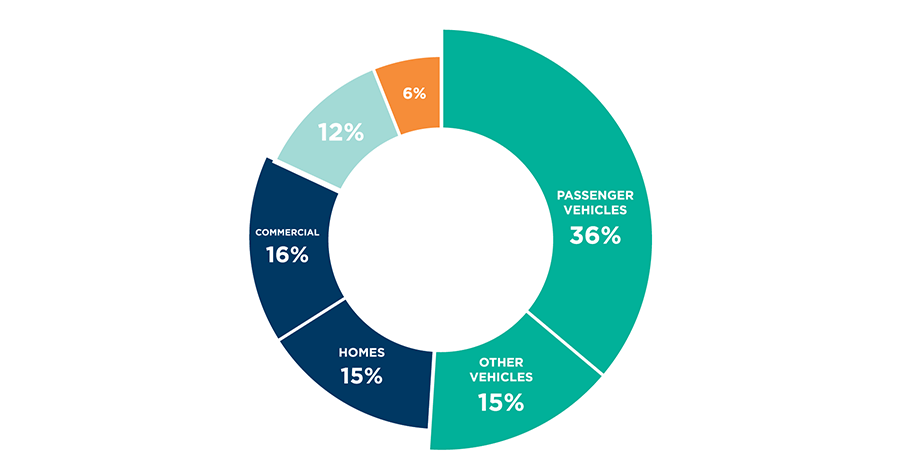
Burning gas in buildings is responsible for more smog than all the cars in the Bay Area combined. NOx emissions themselves are hazardous and contribute to the formation of ozone and fine particulate matter pollution. Air District data has shown that over 30% of the stationary sources of NOx emissions in the Bay Area come from gas-powered space and water heating equipment. Eliminating these emissions will be key to improving air quality and achieving compliance with the Federal Clean Air Act.
According to the Air District, the health benefits of reducing pollution from burning gas, which releases NOx, include preventing deaths, cases of asthma and other respiratory conditions, neurological diseases, heart attacks, strokes, and others. This could result in avoiding up to $890 million per year in health impacts. Learn more about NOx health impacts.

Questions? Talk to a Go Electric Advisor
Our experts are here to assist with rebates, contractor quotes, technical questions, and even energy audits—all at no cost to you.